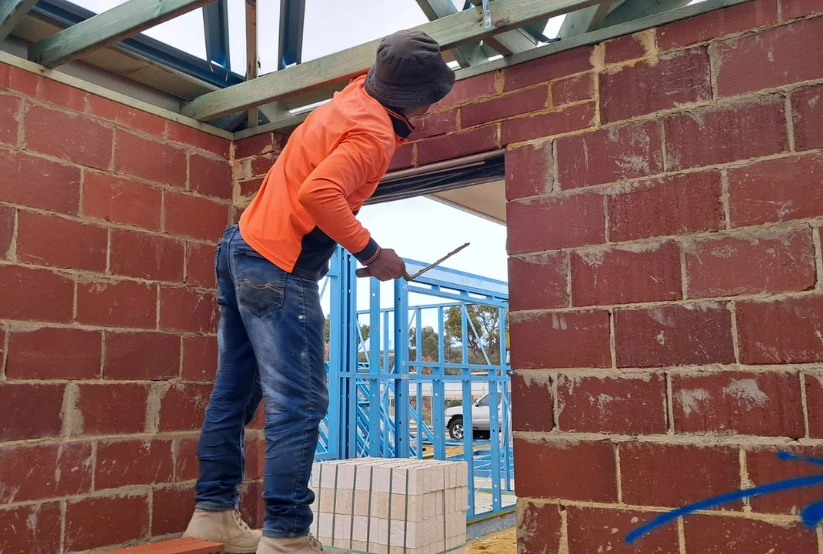
When Should You Repair vs Replace Brickwork in Australia?
Brick homes are strong and long-lasting, but even the sturdiest bricks can have issues over time. As houses age, many homeowners might observe cracks, loose mortar, wobbly walls, and dampness. Some of the cracks are small and could be fixed easily, while some may mean that there is more movement in the structure and replacement work may need to be done. Australia’s climate also has a significant impact as conditions vary. Many homeowners are trying to find a clear answer in the debate between brick repairs vs replace. This blog covers the reasons for cracks in brickwork and when you should repair or replace the brickwork.
Common Reasons Brickwork Starts Cracking
Brickwork can crack for a number of reasons. Soil movement, exposure to harsh weather conditions, water damage, and old materials can cause brick damage. If repairs or replacement are required, understanding the cause can help in determining the appropriate measures to take.
Soil Movement and Foundation Shifts
Expansive clay soils swell and shrink based on their moisture content, causing pressure on foundations and walls. This frequently results in stair-step cracks, uneven brick lines, and cracks around windows or doors.
Australia’s Heat and Dry Climate
Brick and mortar will expand and contract many times throughout the hot summer months. This will, over time, degrade the mortar joints and introduce cracks in the joints that will become visible, particularly in Perth’s inland suburbs.
Moisture and Water Damage
Leaking gutters, poor drainage and rising damp allow water into brickwork. Mortar becomes weakened, bricks crack, and salt accumulates on surfaces due to moisture.
Ageing Mortar and Natural Wear
Mortar erosion can be a problem in older homes, which have been subjected to years of fluctuating weather conditions. Weakened mortar causes walls to be more prone to movement and moisture issues.
Tree Roots and Nearby Construction
Tree roots can suck up moisture from soil under foundations, and other nearby construction vibrations can shake up existing walls. Both can lead to cracks over time.
How the Climate Affects Brickwork Differently Across Australia
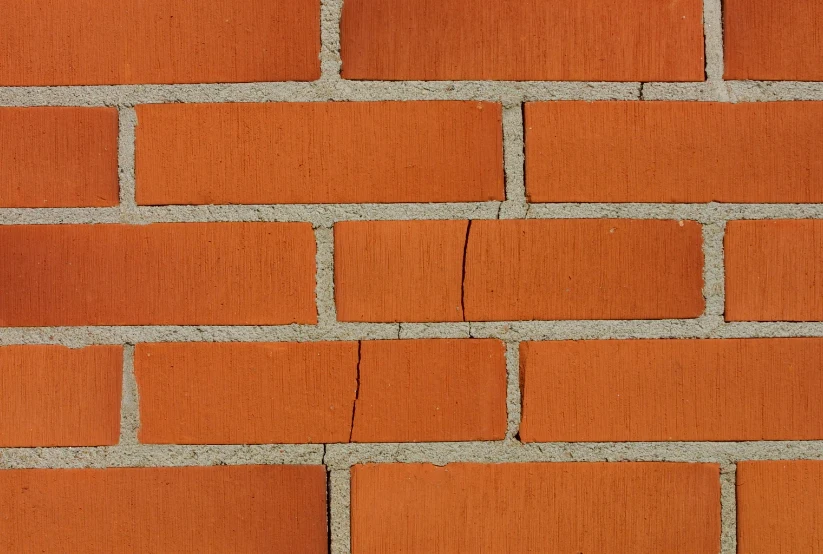
Australia’s climate affects brickwork differently depending on the region. Coastal moisture, inland heat, sloped land, and ageing urban areas can all contribute to brick damage and structural movement.
- Coastal Areas Like Sydney’s Eastern Suburbs, Perth’s Coastline and the Gold Coast: Salt air, sea winds and moisture slowly deteriorate surfaces and weaken the mortar. Damages from moisture and efflorescence are also more common in coastal dwellings.
- Inland Areas Like Western Sydney, Regional WA, and Parts of South Australia: Soil shrinks, and the foundation moves in hot and dry weather. This repeated expansion and contraction may also cause noticeable cracking over time.
- Hills and Sloped Areas, like the Adelaide Hills and the Blue Mountains: Sloped blocks and drainage issues add additional stress to the brick fence and boundary walls. Changes in moisture throughout the year can have an impact on stability as well.
- Older Established Areas Like Inner Melbourne and Adelaide Suburbs: Older dwellings may experience settling problems and have old mortars. Sometimes, past repairs can mask more serious issues in the structure.
Signs Your Brickwork Probably Needs Repair Instead of Replacement
Not every brick damage necessitates extensive replacement efforts. Preventing more serious structural issues can occur if brick repairs are done early. In many cases, the brickwork can be restored to look and feel the same as it did originally. These are signs that repair is enough:
Small Hairline Cracks
Thin hairline cracks may be cosmetic damage and can be easily corrected through brick mortar repair. Damaged mortar joints or sealing of small cracks may stop water from percolating up into the wall, exacerbating the problem.
Localised Damage
If brickwork is damaged in a small area, you should search the internet with the phrase “brick repair near me.” Sometimes, only a single brick or part of a brick wall can be repaired without affecting the rest of the wall.
Loose or Crumbling Mortar
One of the most frequently occurring repair problems in older homes is loose mortar. This is because repointing brick can replace the old mortar without removing the bricks and strengthen the wall again.
Early Moisture Problems
Surface-level dampness, minor leaks, or small drainage issues can often be addressed before structural damage. It is typically much easier and cheaper to fix waterproofing and drainage problems early than to fix them later when they’ve caused long-term deterioration.
A professional inspection is important because small repairs completed early often cost significantly less than delayed brick restoration work.
When Brickwork Replacement Becomes the Better Option
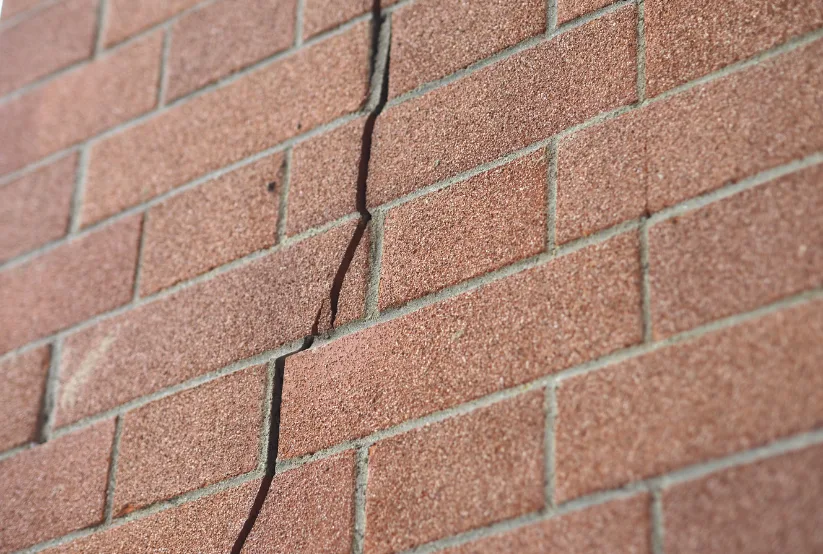
Issues that are bigger than a mere crack in brick walls point to structural problems. These can include large cracks, leaning walls, excessive water damage, and extensive deterioration. Under these conditions, repair may be less cost-effective or less safe in the long run.
Large Structural Cracks
If there are wide cracks or cracks that keep opening up after they have been filled, it could mean that the foundation is still moving. Patching is not a complete solution for the problem and usually will not cure the structural problem. If movement continues, replacement work combined with foundation correction may become necessary.
Bulging or Leaning Walls
Bowed, leaning or bulging walls should never be ignored. If a house is structurally unstable, it can pose a serious safety risk, particularly in an older home. If sections are not stable, they may need to be replaced to restore the structural integrity.
Severe Water Damage
Moisture exposure over time deteriorates mortar and bricks. Salt damage can cause materials to become beyond repair in coastal environments. If bricks are saturated and are beginning to break down internally, replacement may be the only solution.
Extensive Brick Deterioration
If the bricks have crumbled, flaked, or broken off, it may not be feasible to continue repairs. Replacement can render better long-term durability and reduce future maintenance burden.
Repeated Repair History
When you find yourself constantly fixing brickwork, it is better to get it replaced. A series of temporary solutions may cost more over a number of years than it would to fix the problem properly the first time.
Best Seasons for Brick Repairs and Replacement in Australia
The weather is important when brick wall repair and replacement are being carried out. Autumn and spring are considered the best times. The proper season can help with curing, minimise delays and avoid future problems.
Why Autumn and Spring Are Often Ideal
Mortar cures best in the fall and spring seasons when the temperature is moderate, neither too hot nor too damp. Stable weather also helps to minimise complications of repair work. These seasons are typically preferred for bigger brick restoration services.
Summer Repairs
If it is too hot, the mortar may dry too fast and impact bonding performance. But for a smaller repair or tuck pointing, bricklaying contractors can work early in the morning before the temperatures are high.
Winter Challenges
Repairs may be delayed due to heavy winter rains, which can disrupt curing times. It can also be more challenging to deal with moisture issues when it rains, particularly with exterior walls that are already affected by dampness.
Repair vs Replacement: Which Option Saves More Money Long Term?
The decision between repairing or replacing a house depends on the level of damage, the structural stability and the environment. A minor brick crack repair will typically cost a lot less when the issues are caught early. Try not to put off noticeable problems, as they may cause bigger structural problems and require expensive restoration later.
Full replacement can be a high initial cost, but it could help avoid a decade of patch repairs and regular maintenance costs. Professional inspections by home builders Perth allow for the identification of the best solution for every property. Here’s a typical cost breakdown:
| Brickwork Service | Estimated Cost Range |
| General Brick Repair & Repointing | $5 – $30 per linear metre (labour only) or $50 – $150+ per square metre depending on heritage or tuckpointing work |
| Brick Replacement | $50 – $150 per brick including mortar removal and installation |
| Crack Stitching | $150 – $400 per metre for stabilising structural cracks |
| Lintel Replacement | $800 – $2,500 for replacing the structural beam above windows or doors |
| Bricklayer Hourly Rates | $50 – $80 per hour or $1.10 – $1.60 per brick for large projects |
Climate conditions, soil movement, and suburb-specific factors should always be considered before making a final decision.
Conclusion
Climate, soil movement, moisture and ageing materials are all factors contributing to brick damage, which is prevalent throughout Australia. Some problems may need only minor brick wall crack repairs, but others might necessitate a complete replacement to ensure safety and durability in the long run. Prompt action is necessary, as minor cracks and moisture issues may get progressively worse. Timely upkeep and regular checks ensure the property’s durability and visual appeal.
Disclaimer: All costs quoted in this blog are only approximate estimates and can change based on the condition of the property, location, materials, labour and complexity of the project.