Duplex and Triplex Build Cost Guide 2026
Duplex and triplex development is becoming the choice for many Australians as they offer functional density, multi-income opportunities and multiple living arrangements for families in today’s modern era. Homeowners and small developers are increasingly turning to such configurations to maximise land value and accommodate multigenerational living without embarking on large subdivisions.
The year 2026 is poised to be significant as new building codes, regulatory changes and stabilising material markets are changing the feasibility equation. Supply chains are also getting better, and some states, such as Western Australia, are providing clearer planning pathways. To help you plan, this guide will show you national and Perth build costs, upcoming changes, incentives, WA R-Codes and trends.
Quick Snapshot: 2026 Cost Outlook for Duplex & Triplex Build
Building costs in 2026 will be less of a roller coaster than we saw earlier in the decade. Materials prices are settling in some areas, but labour availability is still pushing up tender prices. The triplex and duplex construction costs will increase for builders, but not dramatically.
The price trajectory will be determined by a combination of factors such as labour availability and new energy efficiency requirements. The industry expects more stable pricing, although escalation allowances are still crucial in planning.
National Cost Breakdown (Australia-Wide)
Australia’s construction market continues to settle after several years of volatility. National averages provide a useful starting point for duplex and triplex feasibility, especially for early budgeting. The following breakdown separates triplex and duplex development costs clearly, so each type can be assessed accurately.
Duplex in Australia: Average Construction Cost per m²
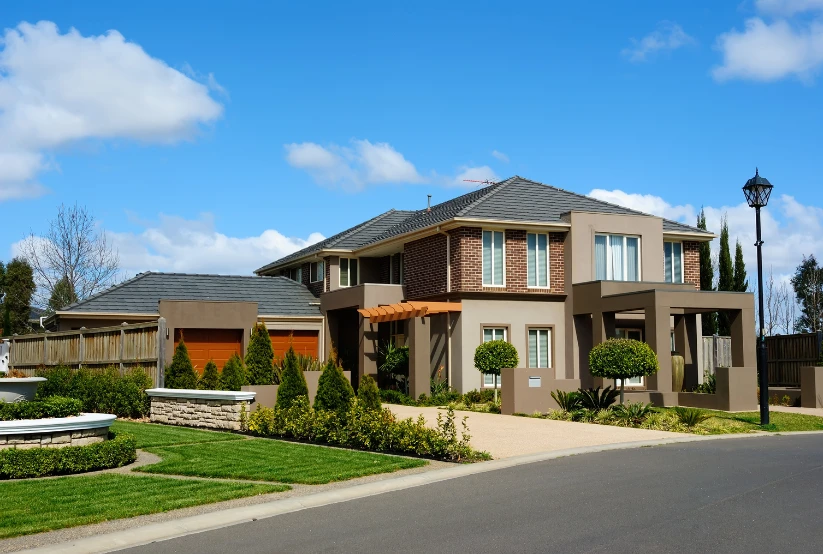
These costs represent the construction-only pricing of double-storey homes across Australia.
| Specification Level | Cost Range (AUD per m²) | Notes |
| Low | $2,000–2,500 | Basic inclusions |
| Mid | $2,600–3,100 | Standard specification |
| High | $3,200–3,800 | Premium finishes |
The turnkey duplex build cost generally adds 15 to 30% depending on landscaping, fixtures and external works.
Duplex: Per-Dwelling Cost Ranges
Based on a typical duplex dwelling size of 130–170 m².
Example Calculation
150 m² × AUD 2,800 per m² = AUD 420,000 per dwelling
Total cost to build a duplex in Australia = AUD 840,000
Triplex: Average Construction Cost per m²
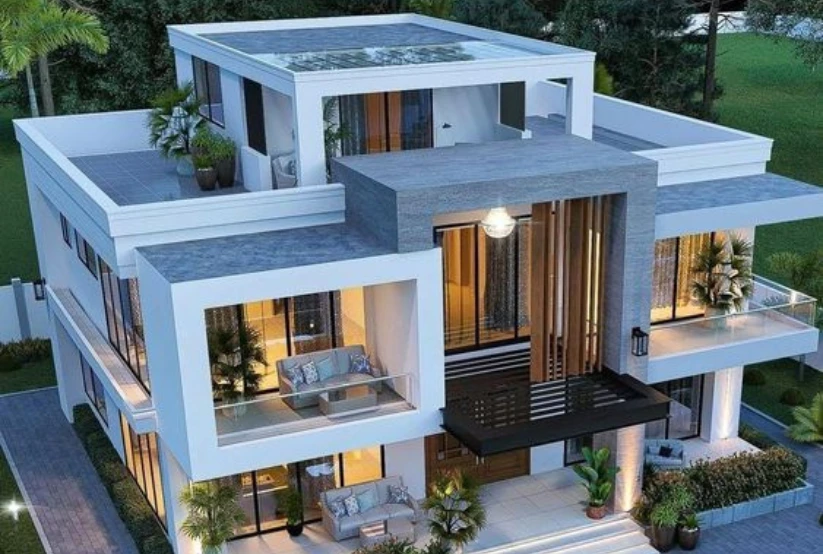
Triplex projects usually involve more shared services and additional compliance. Costs below are construction-only.
| Specification Level | Cost Range (AUD per m²) | Notes |
| Low | $2,100–2,600 | Basic inclusions |
| Mid | $2,700–3,200 | Standard specification |
| High | $3,300–3,900 | Premium finishes |
Turnkey pricing also falls within the 15 to 30% uplift.
Triplex: Per-Dwelling Cost Ranges
Typical triplex dwellings fall between 110 and 150 m².
Example Calculation
130 m² × AUD 2,900 per m² = AUD 377,000 per dwelling
Total triplex = AUD 1,131,000
Key Factors Shaping National Costs
- Labour shortages in several states are affecting tender competition
- Changes in steel, timber and engineered product pricing
- Design complexity, including multi-level configurations
- Site works such as excavation, retaining walls and soil corrections
- Compliance with thermal performance, BASIX equivalents and fire safety
Perth Cost Breakdown
Perth’s market continues to differ from national averages because of regional labour cycles, supply-chain distance and WA-specific engineering requirements. Check out the estimated price ranges for triplex and duplex designs.
Duplex in Perth: Average Construction Cost per m²
Construction-only pricing for Perth dual living homes often trends slightly higher than in some eastern states.
| Specification Level | Cost Range (AUD per m²) | Notes |
| Low | $2,300–2,700 | Basic inclusions |
| Mid | $2,800–3,500 | Standard specification |
| High | $3,600–4,450 | Premium finishes |
Turnkey prices charged by a duplex builder can increase the expenses up to 30%.
Duplex: Per-Dwelling Cost Ranges
Using a common duplex dwelling size of 150 m² and a mid-level rate:
Example Calculation
150 m² × AUD 3,100 per m² = AUD 465,000 per dwelling
Total duplex build price = AUD 930,000
Triplex: Average Construction Cost per m²
Triplex designs in Perth often require enhanced stormwater, shared service arrangements and additional engineering.
| Specification Level | Cost Range (AUD per m²) | Notes |
| Low | $2,400–2,800 | Basic inclusions |
| Mid | $2,900–3,600 | Standard specification |
| High | $3,700–4,500 | Premium finishes |
Triplex builders Perth may charge 15 to 30% extra for turnkey additions.
Triplex: Per-Dwelling Cost Ranges
The triplex building cost ranges from 120 to 150 m².
Example Calculation
130 m² × AUD 3,200 per m² = AUD 416,000 per dwelling
Total cost to build a triplex = AUD 1,248,000
Key Factors Shaping Perth Construction Costs
- A tight labour market influenced by the mining and infrastructure sectors
- Higher logistics and freight costs for many building materials
- Coastal exposure requires corrosion-resistant materials
- Bushfire Attack Level (BAL) compliance in applicable suburbs
- Perth’s soil conditions require additional foundation engineering
Construction Cost Breakdown Per Dwelling
Here’s an estimated cost breakdown based on different factors:
| Cost Factor | Australia (Duplex) | Australia (Triplex) | Perth (Duplex) |
Perth (Triplex) |
| Materials | $150,000 – $220,000 | $145,000 – $210,000 | $170,000 – $260,000 | $160,000 – $240,000 |
| Labour | $110,000 – $160,000 | $105,000 – $150,000 | $125,000 – $185,000 | $115,000 – $175,000 |
| Siteworks | $25,000 – $45,000 | $22,000 – $40,000 | $28,000 – $50,000 | $26,000 – $48,000 |
| Services (Water, Sewer, Power) | $10,000 – $20,000 | $10,000 – $18,000 | $12,000 – $22,000 | $12,000 – $20,000 |
| Architecture & Engineering | $18,000 – $30,000 | $17,000 – $28,000 | $20,000 – $32,000 | $19,000 – $30,000 |
| Permits & Approvals | $6,000 – $12,000 | $6,000 – $12,000 | $7,000 – $14,000 | $7,000 – $14,000 |
| Contingency | $18,000 – $30,000 | $17,000 – $28,000 | $20,000 – $34,000 | $19,000 – $30,000 |
| Builder Margin | $12,000 – $22,000 | $11,000 – $20,000 | $14,000 – $26,000 | $13,000 – $24,000 |
| TOTAL (Per Dwelling) | $350,000 – $520,000 | $330,000 – $480,000 | $400,000 – $590,000 | $370,000 – $530,000 |
What Will Change in Construction in 2026
Several changes will influence the design, cost and approval pathways for duplex and triplex projects in 2026. The most significant is the introduction of NCC 2025, expected to apply to new projects starting in 2026.
NCC 2025 Implementation in 2026
- Expected to commence nationally in 2026, subject to individual state adoption timelines.
- Higher energy efficiency requirements affecting insulation, glazing and thermal performance.
- New condensation management rules are shaping ventilation and wall construction.
- Greater focus on EV charging readiness in garages and parking areas.
- Adjustments to fire safety provisions for multi-unit apartment developments.
Material and Industry Trends
- Timber prices are expected to stabilise while engineered wood products become more common.
- Steel pricing is easing slightly, although still higher than pre-pandemic averages.
- Improvements in concrete supply following stronger domestic production.
- More prefabricated and modular solutions are improving productivity and reducing waste.
- Labour availability is likely to remain tight, affecting both timeframes and margins.
Government Grants, Incentives and Financial Benefits (Australia and WA)
Government support can significantly influence project feasibility. While incentives differ by state, several national and WA-specific measures are relevant to duplex and triplex developers.
National Programmes
- The Federal Home Guarantee Scheme assists eligible buyers with low deposit thresholds.
- Energy-related grants that can indirectly benefit developers through appliance upgrades or compliance subsidies.
State-Level Programmes (NSW, QLD, SA)
- First Home Owner Grants for new builds across multiple states.
- Stamp duty concessions or exemptions in select regions are encouraging new housing construction.
- Occasional regional grants supporting construction in growth corridors.
Western Australia Programmes
- WA First Home Owner Grant applies to eligible new home builds.
- Potential transfer duty concessions depending on property value thresholds.
- Local government incentives that sometimes support infill development through reduced fees.
How They Influence Feasibility
- Reduced upfront costs improve pre-construction cash flow.
- Better lending conditions encourage multi-dwelling development pathways.
- Incentives may support demand for one unit within a duplex or triplex, helping the developer with pre-sales.
Review of WA R-Codes for Duplex and Triplex Projects
The WA Residential Design Codes, known as the R-Codes, outline the rules for residential development across the state. They determine how much can be built on a site and have a direct impact on the profitability of duplex and triplex projects.
The R-Codes
- Minimum lot size requirements for various density codes.
- Plot ratios dictate building scale.
- Street setbacks and boundary clearances.
- Building height limitations.
- Parking minimums for grouped dwellings.
- Private open space requirements.
- Privacy and overlooking rules affecting window placement.
Rules Directly Affecting Duplex and Triplex Projects
- R20, R25, R30 and R40 codes determine whether duplex or triplex is permissible.
- Medium-density provisions guide internal layouts, open space and parking designs.
- Access rules for shared driveways and battle-axe configurations.
- Updated solar access expectations for multi-dwelling sites.
Recent Changes
- Updated landscaping minimums increasing green space contributions.
- Adjusted design standards improving liveability and environmental performance.
- Ancillary dwellings gaining simplified approval requirements.
- Revised car parking and storage provisions for grouped dwellings.
Practical Implications for 2026 Developments
- Early site investigations are essential to assess R-Code suitability.
- Some sites may now support additional yield under updated standards.
- Developers must prepare for more detailed design reporting.
- Approval timelines may improve depending on the council’s interpretation.
Will Construction Costs Rise or Fall in 2026?
Forecasting cost movements helps set realistic budgets for custom homes. While the market is stabilising, there are still factors that can influence overall project pricing.
Why Costs May Rise
- Labour shortage across key trades, including bricklayers and concreters.
- Increases in builder insurance and compliance costs.
- NCC 2025 changes, adding specification requirements.
- Higher energy efficiency standards affecting glazing and insulation.
Why Costs May Stabilise or Decline
- Greater availability of imported and local materials.
- Supply chains are recovering from earlier disruptions.
- More competition among builders is improving tender outcomes.
- Stronger adoption of modular construction reduces labour demands.
Final 2026 Outlook
- Expect modest escalation rather than severe spikes.
- Budget with a contingency allowance between 8 and 12%.
- Monitor contract terms that relate to escalation and provisional sums.
- Developers should lock in pricing early wherever possible.
Budgeting Checklist for Developers
A duplex or triplex builder can reduce risk by carefully mapping each stage of the project. The checklist below covers the most important items for duplex and triplex builds.
- Feasibility analysis, including site yield and planning constraints.
- Siteworks such as clearing, retaining, footing preparation and drainage.
- Consultant fees, including surveying, architecture and engineering.
- Structural engineering, geotechnical assessments and energy reports.
- Services upgrades including water, electricity, sewer and stormwater.
- Construction sequencing and programme allowances.
- External works such as driveways, fencing, landscaping and crossovers.
- Approvals that need to be obtained by home building contractors, including development and building permits.
- Finance costs associated with staged drawdowns and interest.
- Contingency allocation to manage unforeseen conditions.
- Contract clauses addressing NCC version, escalation and provisional sums.
Conclusion
The year 2026 will be an important one for a duplex and triplex builder, because it blends new building regulations with gradually stabilising construction markets. NCC 2025 requirements and WA’s evolving R-Codes will shape design, pricing and feasibility.
Triplex and duplex developers who plan early, review compliance in detail and budget with care will be well-positioned to navigate the changes ahead. Strong preparation helps unlock the full value of multi-dwelling projects and ensures they remain financially viable in a shifting construction environment.
FAQs- Frequently Asked Questions
1. How much does it cost to build a duplex in Australia in 2026?
A standard duplex in Australia generally costs $2,000–$3,800 per m² in 2026. For most designs, total build prices fall between $550,000 and $1.2 million, depending on finishes, location and site conditions.
2. How much does a triplex cost to build in Australia?
Triplex builds start from around $770,000 for three basic units, but prices rise quickly with larger floor plans, sloping blocks, and premium materials. Expect higher overall costs compared to duplexes due to extra services and approvals.
3. What factors affect duplex and triplex build costs in Australia?
Key cost drivers include location, design complexity, materials, site slope, soil quality, and council requirements. Urban areas and premium finishes tend to push costs higher.
4. Do build prices include land, permits and site preparation?
No. Duplex and triplex build quotes usually cover construction only. Land purchase, demolition, soil works, permits, and landscaping are separate expenses you must factor into the total budget.
5. Is building a duplex or triplex worth it in Australia?
Yes, they can be great investments. They maximise land use, offer multiple rental incomes, and often provide higher long-term returns compared to single homes on the same block.
6. How does build quality affect total cost?
Basic builds are the most affordable, while mid-range or premium finishes can increase the price by 20–40%. Materials, appliances, façade choices, and custom design upgrades all influence the final cost.
7. How long does it take to build a duplex or triplex in Australia?
Most duplex or triplex builds take 6–12 months, depending on design, approvals, weather, and material availability. Complex sites or custom designs may take longer.