High Physical Support SDA Homes: Design Features That Improve Independence
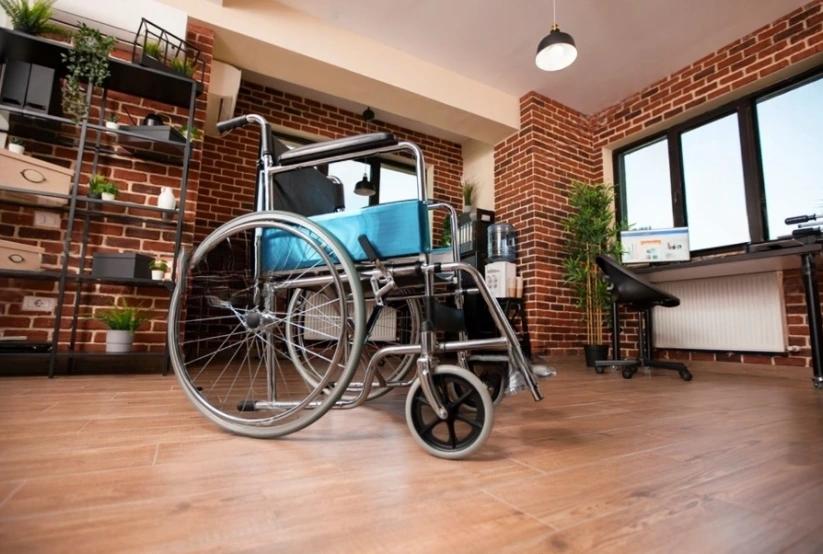
Specialist Disability Accommodation (SDA) is the term used for the provision of accommodation under the National Disability Insurance Scheme (NDIS), meant for individuals with profound functional limitation or very high support needs. Out of all the design categories of SDA, the High Physical Support (HPS) provides maximum accessibility and support. The high physical support SDA homes have been built specially for those individuals who need high physical assistance, specialised equipment and technologies.
As opposed to the usual accessible houses, there are some additional design aspects provided within the HPS category which make these places safer and more independent for living. This blog explores the key design features of High Physical Support SDA homes and how they help residents live more independently and confidently.
What Is a High Physical Support SDA Home?
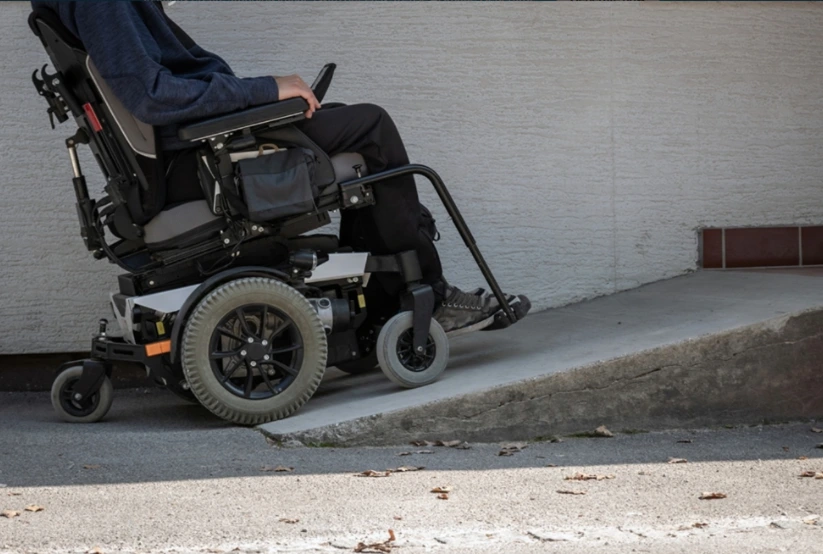
If you know What is an SDA home, you know there are multiple categories under it. A High Physical Support SDA dwelling falls in the category of accommodations that have been specially created for individuals who have significant physical disabilities and extensive support needs. This type of dwelling allows the integration of assistive technology and promotes independence and safety.
Who Qualifies for High Physical Support SDA Funding?
The HPS SDA fund is normally available to NDIS participants who experience significant physical impairments and require a high level of daily assistance. These individuals may be dependent on mobility aids, have support workers regularly assist them, or may need specific aids to perform routine tasks. The qualification for receiving funds is assessed by the NDIS.
Why Standard Accessible Housing Is Often Not Enough
Although accessible housing may be able to offer basic accessibility via wheelchair and enhanced mobility, it typically fails to incorporate the necessary elements that participants with challenging needs require.
Typical Perth SDA homes lack the means to accommodate ceiling hoists, power supplies, automatic environmental control systems, or room for support workers and equipment. Such obstacles may continue to hinder participants from achieving their desired level of independence and security.
High Physical Support SDA vs Other SDA Categories
High physical support SDA homes Perth offer maximum accessibility and support to their residents. The following table describes some differences between HPS and other SDA categories.
| Feature | Improved Liveability | Fully Accessible | Robust | High Physical Support |
| Wheelchair Accessibility | Limited | Extensive | Moderate | Extensive |
| Ceiling Hoist Provision | No | Optional | No | Required |
| Assistive Technology Readiness | Basic | Moderate | Basic | Advanced |
| Backup Power Supply | No | No | No | Required |
| Complex Care Support | Low | Moderate | Moderate | High |
| Emergency Response Systems | Basic | Basic | Moderate | Advanced |
| Environmental Controls | Limited | Limited | Limited | Integrated |
| Support Worker Compatibility | Moderate | Moderate | Moderate | High |
Essential High Physical Support SDA Features That Promote Independence
The defining High physical support SDA home features in Perth are special designs to make it easier for people to accomplish daily tasks. The sections below explore the most important features that contribute to improved quality of life.
Ceiling Hoist Ready Design
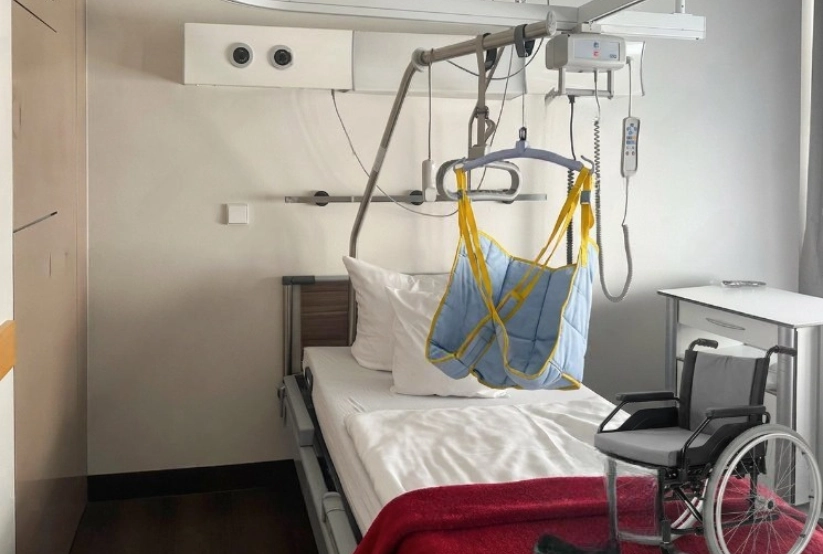
A ceiling hoist aids in moving from the bed, wheelchair, bathroom, and other locations in SDA homes in Perth. It helps in reducing the effort involved during the transfer process.
To support hoist systems, HPS homes typically include:
- Reinforced ceiling structures
- Hoist pathways connecting important rooms
- Capacity for future hoist installation or upgrades
Many custom home builders in Perth add ceiling hosts to significantly improve daily living by:
- Reducing reliance on multiple support workers
- Supporting safer transfers
- Improving participant comfort and confidence
The installation costs for ceiling hoists range from $2,000 to $6,000.
Integrated Assistive Technology Systems
Advanced assistive technologies form one of the basic elements of High physical support SDA home development. Some of the HPS housing units come with:
- Voice-controlled devices
- Automated lighting systems
- Climate control automation
- Automated door operation systems
Environmental control systems make it possible for the residents to manage household activities while being on wheelchairs or beds.
Mid-cost assistive technology costs between $1,500 and $15,000. High-cost assistive technology costs more than $15,000.
Backup Power Systems For Critical Equipment
Power outages may result in great risks for the people using electrical appliances in their everyday lives. Backup systems support the continuity of essential services to ensure the safety of participants. Here’s a breakdown of the cost of components that make up backup power systems:
| Component | Cost |
| Batteries | $5,000 to $15,000 |
| Inverter | $1,500 to $5,000 |
| Solar panels | $5,000 to $10,000 |
| Other equipment | $2,000 to $5,000 |
Accessible Bedrooms Designed Around Support Needs
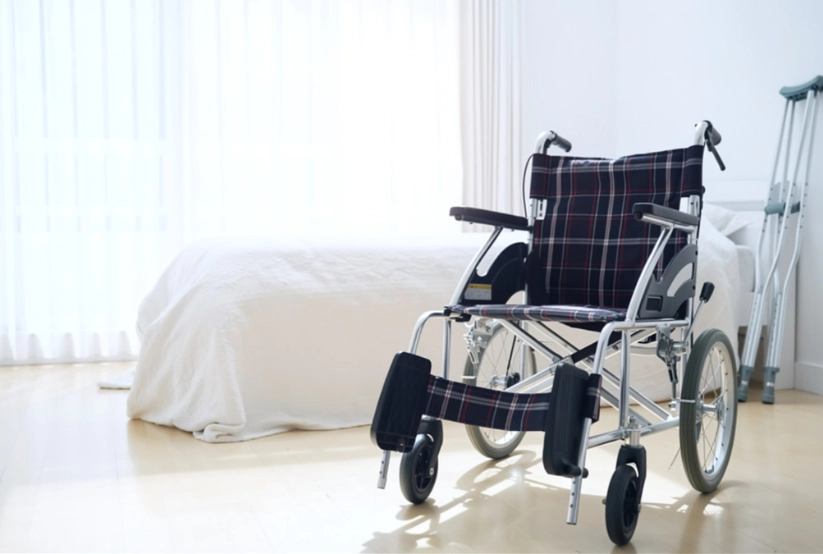
Bedrooms in HPS residential construction are designed to support both independence and ongoing care requirements. These rooms typically provide:
- Space for mobility equipment
- Access around both sides of the bed
- Adequate room for support workers
Well-designed bedroom layouts make activities such as dressing, transfers, and personal care routines safer and easier to manage. Minor modifications can be done within $20,000. But more complex modifications will be higher.
High Physical Support Bathrooms
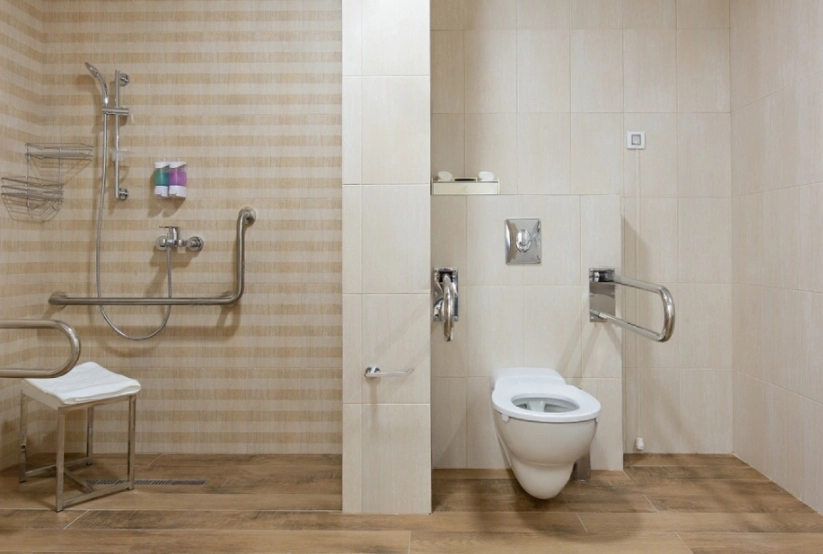
Bathrooms are carefully designed to improve safety and accessibility. Common features include:
- Roll-in showers
- Accessible toilets
- Strategically positioned grab rails
- Slip-resistant flooring
Accessible bathroom design can help residents perform personal care tasks more independently while reducing the likelihood of slips, falls, and other accidents. A comprehensive NDIS bathroom design might cost around $5,000 to $45,000.
Automated Entry and Door Systems
Automated access solutions allow participants to move throughout the home more independently. Features may include:
- Automatic doors
- Low-force door operation
- Remote-controlled access systems
- Smart entry technology
These systems provide greater freedom of movement and reduce dependence on carers for routine access throughout the home. Installing an automatic entry or door system in Perth typically costs between $1,500 and $7,000.
Height Adjustable and Accessible Kitchen Design
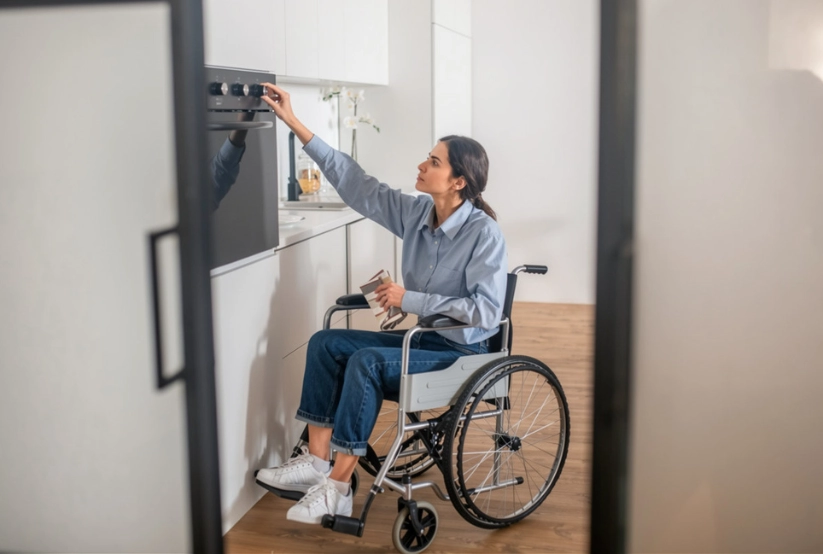
Another significant location that SDA home builders in Perth must pay attention to is the kitchen.
Common inclusions include:
- Height-adjustable benchtops
- Accessible sinks
- Reachable storage solutions
- Wheelchair-friendly layouts
This ensures that the residents can take part in meal preparation and other household chores. Building these types of kitchens cost around $10,000–$50,000.
Emergency Communication and Response Systems
Emergency response technology is vital in HPS NDIS housing Perth.
Such systems could be made up of:
- Emergency call buttons
- Intercom systems
- Remote monitoring capabilities
- Emergency communication devices
Quick access to help will greatly increase the safety of the participant and provide a lot of peace of mind to families and support staff. Costs vary depending on the type of equipment you are buying. Basic personal emergency alarms cost between $150 and $600.
Understanding the Costs of High Physical Support SDA Homes
High Physical Support SDA housing Perth involves higher development and operational costs due to the specialised infrastructure required. Understanding what SDA funding covers and why these homes cost more can help participants and providers make informed decisions.
What Does SDA Funding Cover?
The funding for specialist disability accommodation Perth goes toward the costs involved in providing specially designed housing that complies with the SDA design requirements.
The funding is meant to help in the building and maintaining of disability-specific housing features. This is different from SIL funding, which covers personal support services within the home.
HPS Housing has the most advanced levels of special design and technology and receives higher SDA payments compared to other SDA types.
Why High Physical Support SDA Homes Cost More To Build
SDA builders incorporate several specialised features that contribute to increased construction and maintenance costs. The SDA home building cost in Perth metro area typically ranges between $2,500 and $4,000 per square metre. A standard 3-bedroom High Physical Support new build usually incurs a total construction capital cost of $450,000 to $720,000.
The typical cost drivers are as follows:
- Reinforced ceilings and hoist infrastructure
- Backup power systems
- Smart home and assistive technology infrastructure
- Automated doors and environmental controls
- Larger circulation spaces and accessible layouts
- Specialised bathrooms and kitchens
- Compliance, certification and specialist assessments
These additional requirements increase high physical support SDA homes costs. Both initial construction costs and ongoing maintenance obligations rise up. However, they also provide the infrastructure necessary to support participant independence, safety, and long-term quality of life.
Conclusion
The High Physical Support homes offer the highest level of Specialist Disability Accommodation in the National Disability Insurance Scheme. They are tailored for individuals with considerable physical disabilities who require more elaborate support. High physical support SDA properties come equipped with specific characteristics such as provision of ceiling hoists, use of assistive technology, power backups, accessible bathrooms, automatic doors, and emergency response services. This ensures safety, accessibility, and greater independence in day-to-day activities.
Disclaimer: All costs mentioned in this article are estimates only and may vary based on property size, project scope, location within Perth, design specifications, technology requirements, compliance obligations, labour costs, and supplier pricing.