House Extension Cost in Australia (2026)
Home extensions are more and more common in Australia for families desiring that dream lifestyle for their family and longer-term property value. With land prices increasing and the desire to customise existing property, homeowners are choosing to extend rather than move. But having an idea about the home extension cost is essential before starting. This guide provides authentic, factor-based ranges to help you plan confidently.
Construction Cost Changes Observed in 2026
In 2026, house extension costs in Perth have shown a steady upward movement rather than sharp jumps. The main increase has come from labour pricing, driven by ongoing shortages of skilled renovation trades such as carpenters, plumbers, and electricians. Extensions demand higher expertise than new builds, which places further pressure on labour rates.
Compliance-related costs have also risen, with stricter energy efficiency, engineering, and safety requirements adding more professional input to each project. Material prices have been relatively stable overall, but premium and imported finishes remain more volatile. Longer construction timelines have also contributed to higher total project costs.
Factors That Influence House Extension Costs in Australia
The first stage to planning well is understanding what drives your house extension cost Australia. Every project is unique, but these key factors will help determine how much you may need to spend in 2026. These factors are design complexity, materials, site access, professional approvals, utilities and the overall market conditions. Each of these elements can stretch or shrink your cost, particularly with multi-level builds or high-end inclusions.
Size & Complexity of the Extension
Larger builds naturally cost more, but complexity matters just as much. A simple rectangular room requires less structural work than an open-plan kitchen with load-bearing changes. Another thing that can increase pricing is if you want to demolish and rebuild house or add custom elements.
| Scenario | Estimated Range (per m²) |
| Simple room addition | $2,500–$3,500 |
| Open-plan expansion | $3,500–$4,800 |
| Extensions requiring major structural changes | $4,500–$6,000+ |
Storey Count
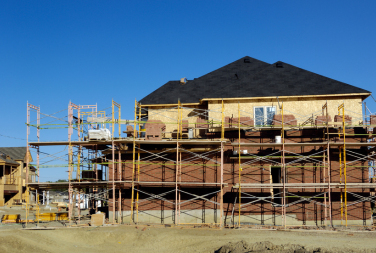
Adding floors is generally more expensive than expanding outward. Extra engineering, scaffolding, reinforcement, and roofing changes push the cost range higher.
| Extension Type | Estimated Range (per m²) |
| Ground floor expansion | $2,500–$4,500 |
| Second storey | $3,500–$5,500 |
| Third storey | $4,500–$6,800+ |
Materials & Finishes
Material selection plays a major role in determining the cost to house extension in Australia. Basic finishes keep budgets manageable, while premium inclusions sit at the top end. WA’s local material availability can also influence home extension Australia pricing due to transport and supply.
| Material Level | Estimated Range (per m²) |
| Basic finishes | $2,500–$3,200 |
| Mid-range finishes | $3,200–$4,200 |
| Premium finishes | $4,200–$6,000+ |
Site Conditions & Access
A sloping block, tight urban access, or difficult soil conditions increase preparation costs. Machinery manoeuvrability, excavation difficulty, and additional foundation work all shape the home extension prices.
| Site Type | Estimated Range (per m²) |
| Flat block, easy access | $2,500–$3,500 |
| Moderate slope or restricted access | $3,500–$4,800 |
| Significant slope or challenging soil | $4,800–$6,500+ |
Services & Utilities
Extensions often require new electrical circuits, plumbing rerouting, HVAC upgrades, or hot water system adjustments. Wet areas, such as bathrooms or kitchens, increase per-square-metre house extension prices in Australia.
| Service Type | Typical Cost Range |
| Electrical upgrades | $2,000–$8,000 |
| Plumbing alterations | $3,000–$15,000 |
| HVAC changes | $2,500–$7,500 |
Council Approvals & Engineering
Certain permissions and documents are necessary for house development in Australia. Design assessments, planning permits, structural engineering certifications, and energy compliance all add to the budget.
| Requirement | Cost Range |
| Council planning | $1,500–$7,000 |
| Structural engineering | $2,000–$10,000 |
| Building permits | $1,000–$3,000 |
Builder Selection & Market Conditions
Renovation specialists tend to charge more than project builders due to their expertise in managing existing structures. Market demand, labour shortages, or material delays may also affect home extension costs per square metre in 2026.
| Builder Type | Cost Range (per m²) |
| Project builder | $2,500–$3,800 |
| Renovation/extension specialist | $3,800–$6,500+ |
Estimated Cost Guide for House Extensions in Australia 2026
Planning a home extension in Australia for 2026 requires a good understanding of how costs scale with design complexity, materials, and storey count. Although the final house extension cost 2026 will depend on market conditions at the time, the following estimates offer realistic, factor-based ranges tailored to Australia’s building environment. To make this guide more practical, real-world examples are included within each extension type.
Single-Storey Extension Costs
Estimated Range: $2,500–$4,500 per m²
Single-storey extensions are the most budget-friendly option because they involve minimal structural interference with the existing home. They work well for expanding living rooms, adding bedrooms, extending kitchens, or shifting layouts to improve functionality.
What affects the cost range?
- Lower end: Straightforward room additions, few structural changes, standard materials, good access.
- Higher end: Kitchen expansions, open-plan conversions, load-bearing alterations, premium finishes, or wet areas.
Real Example: 40m² Single-Storey Extension
- Base cost: 40m² × $2,800–$4,200 per m² = $112,000–$168,000
- Add-ons:
- Bathroom: $18,000–$35,000
- Kitchen: $25,000–$45,000
Total Estimated Single-Storey Extension Costs Range: $130,000–$230,000+
Why the range varies:
A simple extra bedroom has fewer moving parts, while a kitchen extension requires plumbing relocations, new appliances, benchtops, cabinetry, and ventilation. Access difficulty and older house structures may also increase labour and engineering hours.
Two-Storey Extension Costs
Estimated Range: $3,500–$5,500 per m²
Double-storey homes are ideal for homeowners who want more space without sacrificing garden area. These projects are more complex because they interact directly with the roofline and load-bearing structure.
Why does a double-storey extension cost more?
- The existing ground floor must be structurally reinforced.
- Roof removal and reconstruction are required.
- Staircase installation consumes internal space and increases build cost.
- Designing the best dual living homes will involve additional engineering, scaffolding, and compliance requirements.
- Height-related labour and safety rules extend timelines.
Typical inclusions at this level:
- New upper-floor bedrooms
- Ensuite bathrooms
- Study or retreat areas
- Balconies or extended rooflines
- Staircases (timber, steel, or custom designs)
Example: 50m² Upper-Level Addition
This example helps illustrate the 2-floor extension cost.
- Base cost: 50m² × $3,800–$5,200 per m² = $190,000–$260,000
- Add-ons:
- Ensuite bathroom: $18,000–$35,000
- Staircase (depending on material): $5,500–$18,000+
Total Estimated Double-Storey Extension Costs Range: $215,000–$310,000+
Key cost drivers:
Upper-storey bathrooms add more plumbing, waterproofing, and fall management. The design of the staircase can also significantly increase the total 2-story extension cost 2026.
Three-Storey Extension Costs
Estimated Range: $4,500–$6,800+ per m²
Three-storey extensions sit at the top end of construction complexity and cost. They are usually pursued by homeowners who need significant expansion for multi-generational living or who have very limited land area. Given the height and engineering requirements, costs escalate in both labour and material categories.
Why three-storey builds cost the most:
- Extensive structural engineering to ensure safe load distribution
- Possible foundation strengthening
- Scaffolding for three levels (major labour requirement)
- Complex compliance, including overshadowing studies
- Height-based safety protocols and extended build durations
- Potential lift shafts or future lift-ready spaces
- Roof modifications and waterproofing challenges
- Fire separation requirements for multi-generational layouts
Typical uses for a third storey:
- granny flats
- Teenage retreats
- View-facing living zones
- Home offices separate from main living areas
- Dual-living or extended family arrangements
Example: 35m² Third-Storey Addition
A compact upper level can still have a wide range depending on use and finish level.
- Base cost: 35m² × $4,800–$6,800 per m² = $168,000–$238,000
- Add-ons:
- Ensuite bathroom or powder room: $18,000–$38,000
- High-end glazing for views: $6,000–$15,000+
- Lift preparation or shaft allowance (if future-proofing): $10,000–$25,000
Total Estimated Three-Storey Extension Costs Range: $200,000–$300,000+
What typically pushes costs upward:
- Height-related labour hours
- Structural reinforcements from the ground up
- Balustrades, fall protection, and additional safety elements
- Premium materials used to maximise views on upper levels
- More extensive certifications and approvals
- Long construction timelines due to complexity
Why Costs Rise With Storeys
Across all extension types, the biggest cost escalator is structural complexity. The higher the build, the more reinforcement, professional oversight, and careful sequencing are required. Every extra level adds:
- More engineering
- More labour hours
- More compliance checks
- More scaffolding and safety equipment
- More pressure on existing foundations
- More design coordination between old and new structures
This is why multi-storey extensions have a steeper per-square-metre cost curve than single-storey homes.
Additional Cost Considerations for 2026
Apart from primary construction costs, several secondary expenses can significantly affect your final house extension cost per m2. These charges cover approvals, compliance, and protective measures necessary for safe and legal construction.
| Category | Description | Estimated Range |
| Planning & Council Fees | DA lodgement, building approval, inspections, administrative charges | $2,000–$10,000 |
| Engineering & Surveying | Structural engineering drawings, soil testing, site surveys | $3,000–$15,000 |
| Architectural/Design Fees | Concept plans, detailed drawings, revisions | $3,500–$20,000 depending on complexity |
| Energy Efficiency Compliance | NatHERS assessments, insulation upgrades, double glazing, solar readiness | $2,000–$12,000+ |
| Utility Upgrades | Electrical board upgrades, additional meters, plumbing extensions, expert carpentry | $3,000–$18,000 |
| Site Preparation Costs | Excavation, levelling, demolitions, tree removal, charges of local bricklayers | $2,000–$25,000+ depending on site |
| Temporary Services | Site toilets, temporary fencing, waste bins | $1,000–$5,000+ |
| Contingency Budget | Recommended buffer for unexpected issues | 10–15% of total project value |
| Professional Documentation | Certifier fees, drafting, compliance reports | $1,000–$6,000 |
| Insurance & Safety | Builder’s insurance, public liability, construction safety measures | $1,500–$7,000 |
Total Cost of House Extension in Australia
The total cost of a house extension in Australia is shaped by far more than just the build size or price per square metre. Construction costs, professional fees, site conditions, services, approvals, and contingency allowances all contribute to the final budget. The table below brings these elements together to show how costs typically accumulate across different extension types in 2026.
| Cost Component | Single-Storey Extension (40m²) | Two-Storey Extension (50m²) | Three-Storey Extension (35m²) |
| Base Construction Cost | 40m² × $2,800–$4,200 = $112,000–$168,000 | 50m² × $3,800–$5,200 = $190,000–$260,000 | 35m² × $4,800–$6,800 = $168,000–$238,000 |
| Bathrooms / Wet Areas | $18,000–$35,000 | $18,000–$35,000 | $18,000–$38,000 |
| Kitchen / Kitchenette | $25,000–$45,000 | Optional / integrated | Optional / kitchenette |
| Staircase (if required) | Not applicable | $5,500–$18,000 | $6,000–$20,000 |
| Electrical & Plumbing Upgrades | $5,000–$12,000 | $6,000–$15,000 | $7,000–$18,000 |
| HVAC & Ventilation | $2,500–$7,500 | $3,000–$8,000 | $3,500–$9,000 |
| Planning & Council Fees | $2,000–$10,000 | $3,000–$10,000 | $4,000–$12,000 |
| Engineering & Surveying | $3,000–$10,000 | $5,000–$12,000 | $7,000–$15,000 |
| Architectural / Design Fees | $3,500–$12,000 | $6,000–$16,000 | $8,000–$20,000 |
| Energy Efficiency Compliance | $2,000–$8,000 | $3,000–$10,000 | $4,000–$12,000 |
| Site Preparation & Access | $2,000–$15,000 | $3,000–$20,000 | $5,000–$25,000 |
| Temporary Site Services | $1,000–$4,000 | $1,500–$4,500 | $2,000–$5,000 |
| Insurance & Safety Costs | $1,500–$5,000 | $2,000–$6,000 | $3,000–$7,000 |
| Subtotal (Before Contingency) | $177,000–$331,000 | $248,000–$414,000 | $266,000–$419,000 |
| Contingency (10–15%) | $17,700–$49,000 | $24,800–$62,000 | $26,600–$63,000 |
| Estimated Total Project Cost | $195,000–$380,000+ | $270,000–$475,000+ | $295,000–$480,000+ |
House Extension Cost Breakdown in Perth (2026 Estimates)
House extension costs in Perth vary based on several interconnected factors rather than a single price per square metre. Labour availability, site conditions, material transport, council requirements, and the complexity of working with existing homes all influence the final budget. The table below shows how these factors typically contribute to total extension costs in Perth for 2026.
| Cost Component | Single-Storey (40m²) | Two-Storey (50m²) | Three-Storey (35m²) |
| Base Build Cost | 40 × $2,700–$4,600 = $108,000–$184,000 | 50 × $3,700–$5,700 = $185,000–$285,000 | 35 × $4,700–$7,200 = $165,000–$252,000 |
| Materials & Finishes | $3,000–$18,000 | $4,000–$22,000 | $5,000–$25,000 |
| Site Conditions & Access | $2,500–$15,000 | $3,500–$20,000 | $4,500–$25,000 |
| Council Approvals & Engineering | $4,000–$18,000 | $5,500–$22,000 | $7,000–$28,000 |
| Services & Utilities | $5,000–$18,000 | $6,000–$22,000 | $7,000–$25,000 |
| Architectural & Design Fees | $3,500–$12,000 | $5,500–$16,000 | $7,000–$20,000 |
| Temporary Site Services | $1,000–$5,000 | $1,500–$6,000 | $2,000–$7,000 |
| Insurance & Safety Costs | $1,500–$5,000 | $2,000–$6,000 | $2,500–$7,000 |
| Subtotal (Before Contingency) | $128,500–$259,000 | $212,000–$379,000 | $199,000–$389,000 |
| Contingency (10–15%) | $12,850–$38,850 | $21,200–$56,850 | $19,900–$58,350 |
| Estimated Total Cost (Perth) | $141,000–$298,000+ | $235,000–$436,000+ | $220,000–$447,000+ |
Disclaimer: All cost ranges and examples mentioned in this blog are indicative estimates only and are provided for general information and planning purposes. Actual house extension costs may vary significantly depending on location, site conditions, design complexity, builder selection, material availability, labour rates, and market conditions at the time of construction.
Ways to Keep Your Extension Budget on Track
Managing your extension budget effectively is just as important as selecting the right design. Early planning helps reduce unexpected costs and ensures a smoother residential construction experience.
- Choose an experienced house extension builder in Australia
Renovation specialists understand older structures better, reducing the chance of surprise repairs.
- Finalise design early
Late changes are expensive and disrupt timelines.
- Choose standard materials where possible
Planning custom homes can create budget blowouts.
- Conduct early structural testing
Knowing your home’s structural condition can prevent mid-project shocks.
- Combine renovation tasks for efficiency
Pairing your extension with re-roofing, rewiring, or insulation upgrades can reduce labour duplication.
Looking Ahead: Cost Trends and Outlook for 2027
Looking ahead to 2027, construction costs in Perth are expected to remain under gradual upward pressure. Labour availability is likely to stay tight, particularly for experienced home extension builders, which may continue to influence pricing. Energy efficiency standards are expected to become more embedded, making insulation, glazing, and solar readiness standard inclusions rather than optional upgrades.
Material pricing may stabilise further for local products, though premium finishes could continue to rise. Multi-storey extensions are likely to experience stronger cost growth due to their reliance on engineering, scaffolding, and compliance-heavy construction processes.
Conclusion
Realistic planning is essential for anyone considering a house extension in Australia for 2026. The final cost will always depend on variables such as storey count, materials, layout, engineering, and site conditions. With thoughtful preparation, homeowners can confidently pursue single-storey, two-storey, or three-storey builds that suit their lifestyle goals. As 2026 approaches, seeking updated quotes from an experienced Australia home builder will ensure your budget aligns with current market conditions.