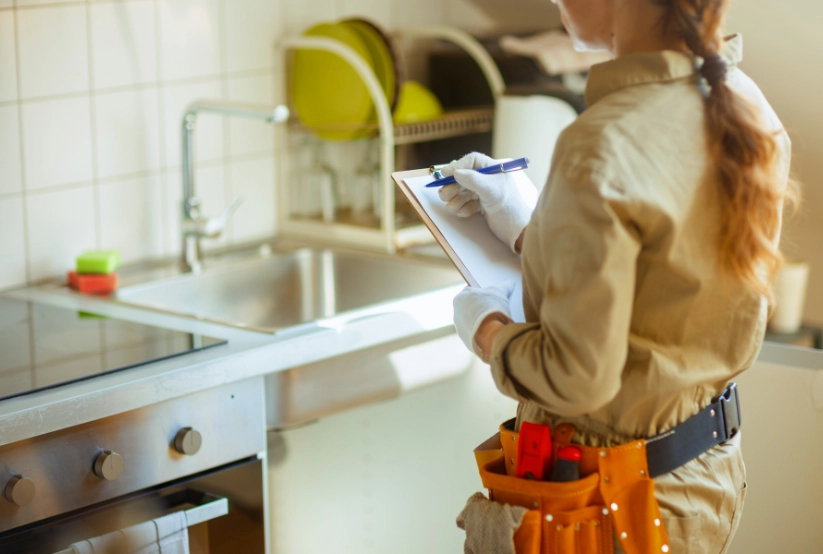
Winter Home Maintenance Checklist
The winter season can put additional strain on all components of a house. Problems that are not noticed during warm weather are frequently revealed during cold weather, heavy rains, and strong winds. Windows that do not fit or seal properly, leaking roofs, and clogged gutters are small problems that can become costly repairs during the winter. Getting your house ready for cold weather contributes to better comfort, energy efficiency and safety all season long. Proper maintenance in winter in Australia can also save you money on heating bills and can help prevent further damage to your property. Here is a practical winter home maintenance checklist to help keep your home warm, secure and running smoothly this winter!
Get Your Heater Serviced
Winter is the season when your heating system is in constant use. Therefore, servicing it should be the top priority on your winter home maintenance list. A heater that is not well-maintained can have trouble heating your home, use more fuel (electrical or gas), and might pose safety hazards.
A professional heater service usually includes the following:
- Replacing or removing filters and vents.
- Reviewing air flow and thermostat controls
- Inspecting electrical components
- Testing gas connections and the ventilation system
- Removing built-up dust and debris
A dirty filter will make it more difficult for air to flow through the system and make the system more energy-intensive, ultimately shortening the life of the unit. CO leaks should also be tested in gas heaters to keep them safe.
If you use reverse cycle air conditioning during winter, clean the filters regularly to maintain heating efficiency. Servicing your heater early can also help avoid delays during the busy winter season when technicians for home and property maintenance are in high demand.
Clean Your Gutters
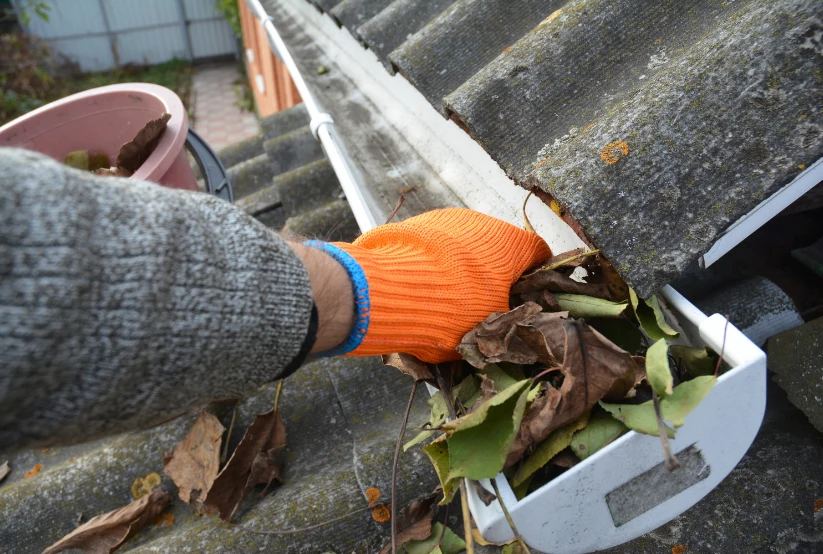
During the fall, leaves, twigs, dirt and other debris accumulate on the gutters. If they are not cleaned before winter, rainwater may overflow and cause damage to your roof, walls, or foundations.
Blocked gutters can lead to:
| Problem | Possible Result |
| Overflowing water | Roof and ceiling leaks |
| Standing moisture | Timber rot and mould |
| Poor drainage | Foundation damage |
| Debris build-up | Pest activity |
Cleaning gutters should be a part of your winter home maintenance checklist so that rainwater can flow through downpipes and away from your property. When cleaning, check gutters for rust, cracks, loose brackets or any sagging sections that could worsen during heavy rain. Gutters may require more than one cleaning during the winter if trees surround your home.
Inspect Your Chimney, Fireplace and Smoke Alarms
Fireplaces become more heavily used during winter. Cleaning them must be a part of your winter maintenance checklist. Chimneys can build up soot and creosote over time, increasing the risk of chimney fires if not cleaned properly.
Before using your fireplace regularly:
- Check the chimney for obstructions or cracks.
- Remove excess ash safely.
- Make sure the damper opens properly.
- Have professional chimney cleaning done when necessary.
Debris or bird nests in chimneys can also block proper ventilation, which can lead to smoke flowing back into the house.
One of the most important home maintenance tips for winter is to check smoke alarms. Heating appliances, fireplaces, and electric heaters increase indoor fire risks during colder months.
Replace batteries if necessary and ensure alarms are functioning properly. In homes with gas heaters, carbon monoxide alarms can provide extra protection.
Insulate Your Roof
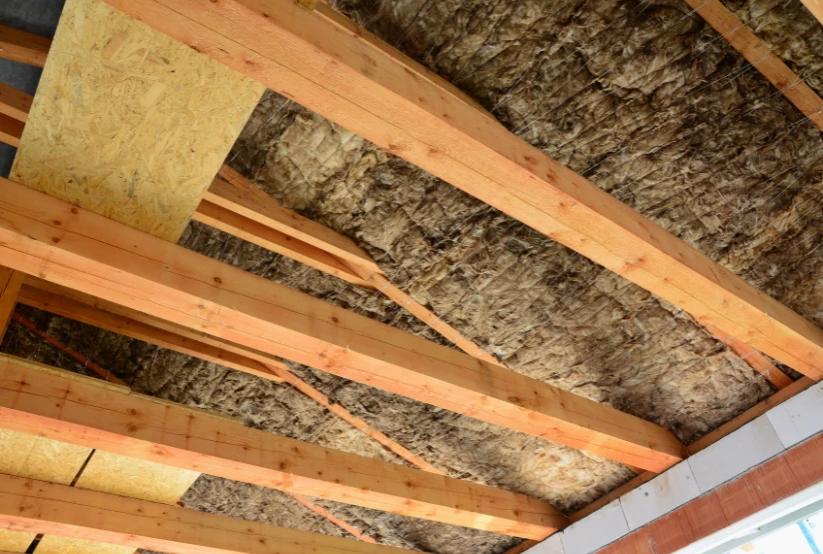
Roof insulation must be a part of your Australian house winter checklist because it is a significant factor in keeping an indoor space warm in winter. Without proper insulation, hot air will escape through the roof, causing the heaters to operate longer and harder, resulting in higher energy costs.
Good insulation can help:
- Maintain indoor warmth
- Improve energy efficiency
- Lower heating costs
- Reduce temperature fluctuations
- Increase overall comfort
Common insulation options include batts, blown-in insulation, and reflective materials. Make sure you check your roof space for any missing or damaged insulation, as moisture and age can wear on insulation.
Inspecting the roof should also be a part of your winter checklist for home. Look for cracked roof tiles, damaged flashing, or signs of leaks before storms and heavy rain arrive.
Seal Your Windows and Doors
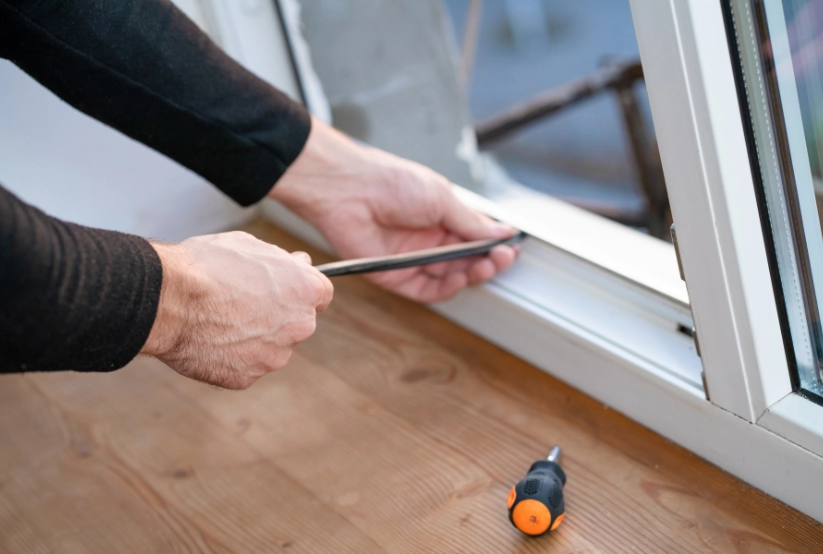
Cold drafts entering through gaps around windows and doors can make your home uncomfortable and increase heating expenses. Warm air will escape from even the smallest opening throughout the winter season. That’s why your Perth winter house checklist must include sealing windows and doors.
Typical areas that require maintenance are:
- Window frames
- Door frames
- Sliding doors
- Gaps beneath external doors
Weather stripping, caulking, door seals and draft stoppers are simple solutions. These minor home maintenance services can make a significant difference in improving indoor comfort and reducing energy loss.
Protect Exterior Timber
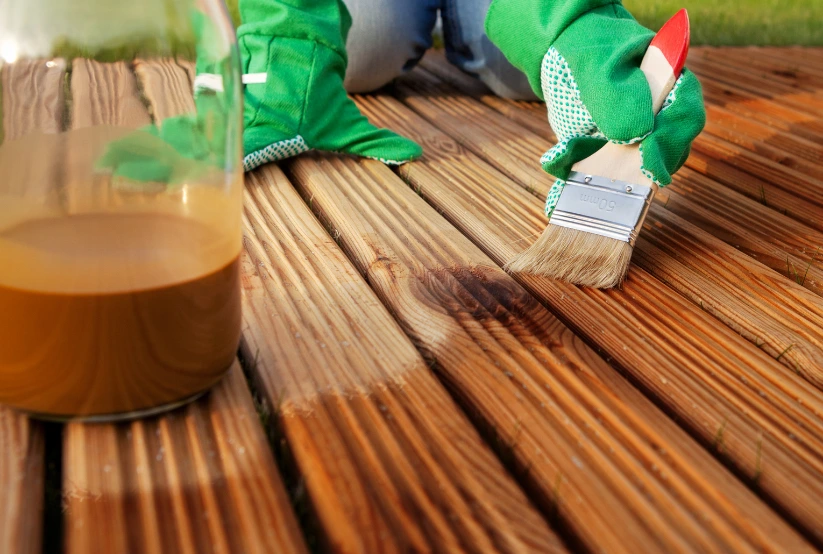
One of the best tips for home maintenance in winter is to take care of exterior timber surfaces. Window trims, fences, pergolas, and decks can be affected by moisture during the winter. If not protected, timber can absorb water and rot, crack or grow mould.
Inspect exterior timber for:
- Peeling paint
- Cracks or splitting
- Soft or rotting sections
- Loose boards or joints
You can hire local carpenters to apply protective coatings such as timber oils, stains, or sealants to repel moisture and extend the lifespan of outdoor timber structures.
| Timber Area | What to Inspect |
| Decking | Water damage and loose boards |
| Pergolas | Structural weakness or rot |
| Fences | Leaning sections and cracks |
| Window trims | Swelling or peeling paint |
Protect Your Pipes
Cold temperatures can add to the stress on plumbing systems, especially pipes exposed to the outside air. Frozen or damaged pipes can crack or burst, leading to major water damage within the household. So, inspecting the plumbing system is an integral part of property maintenance in winter.
To protect your plumbing during winter:
- Insulate exposed pipes
- Disconnect unused garden hoses
- Check for leaks or corrosion
- Seal gaps where cold air enters walls
- Inspect outdoor taps regularly
Check plumbing in areas like garages, roof spaces, and under sinks where cooler air can more easily reach the pipes.
Conclusion
Preparing your home for winter will make it more comfortable, more energy-efficient, and help avoid unnecessary repairs. A proactive approach also helps to increase the safety of the home and decreases risks associated with fires, moisture, and plumbing. It is important to complete a winter property maintenance checklist every year to ensure your home is safe and well-protected during the winter season.