How to Fix Rising Damp in Perth Homes Before Winter Rain Hits
As Perth heads into its wettest months, many homeowners are preparing for winter storms, blocked gutters, and drainage issues. However, one of the most damaging problems often starts long before the first heavy rainfall arrives. Structural damage, mould and expensive remediation can occur without being noticed by the house owner due to rising damp Perth, which can develop slowly within walls. The winter months are when most of Perth’s annual rainfall falls, so it’s best to recognise and rectify moisture problems before they get worse. This blog will explain what rising damp is, why it is a problem in Perth houses, how to identify the signs of rising damp, and what the best remedies for rising damp are.
What Is Rising Damp — and Why Are Perth Homes Especially Vulnerable?
Rising damp in Perth homes is the result of capillary movement of groundwater upward through bricks, mortar and masonry. The moisture from the ground rises through the small pores of the material of the building, taking up the dissolved salts. In most instances, rising damp will be found up to 700mm to 1000mm from the ground level of a wall.
The winter season in Perth is characterised by its rainfall, as around 77.7% of the city’s annual rainfall is concentrated in the months from May to September. July is the wettest month on average, with around 145mm of rain. Winter is not the only season when problems with rising damp start to occur, but it certainly makes them worse.
The housing stock and soil conditions make this issue particularly common, leading to the need for frequent Perth residential property maintenance. Two major factors contribute to the problem.
- Firstly, the Swan Coastal Plain sandy soils can accumulate substantial water during winter. These soils get saturated rapidly when they receive extra moisture, providing a constant source of moisture under foundations and causing the capillary rise.
- Secondly, there were many pre-1980s Perth double brick properties that were not constructed with a modern damp-proof course system. Some also used bitumen or slate barriers, which have failed due to over 40 years of use. When these barriers are compromised, moisture can travel freely into wall structures and lead to rising damp pre-1980 Perth homes.
Does Rising Damp Get Worse in Winter?
Yes, significantly. Rising damp is most noticeable and damaging in the winter, leading to the need for brick restoration. These are the reasons why:
Increased Ground Moisture
A lot of rain in the winter makes the ground around the foundation wet, causing high groundwater levels and increasing the amount of moisture drawn up through walls.
Higher Humidity Slows Drying
The average humidity of Perth is 39% in summer and 57% in July. This reduces evaporation, thereby keeping moisture within walls for longer.
Perth’s Wet Season Accelerates the Problem
Of Perth’s annual rainfall, more than 77% occurs in the months from May to September. Soils around foundations become saturated, and moisture pressure increases around foundations, causing rising damp to be more prevalent during the winter months in the Swan Coastal Plain.
How Do You Know If You Have Rising Damp? The 6 Warning Signs
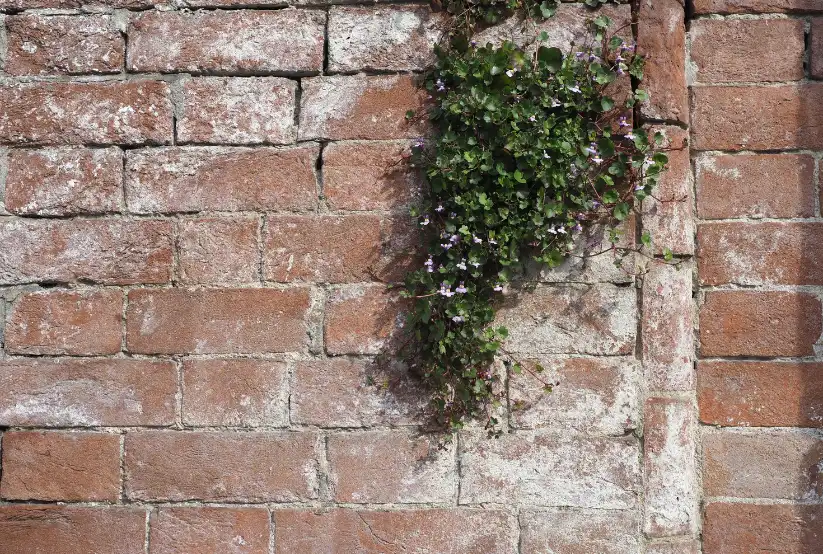
Rising damp can be treated by home renovation builders if caught in time, before extensive damage is caused to the building. But you need to stay aware of the rising damp symptoms and signs. Here are some signs you should watch for:
- Tide-mark staining- A damp horizontal stain is noticed on the internal and/or external walls, usually between 700mm and 1,000mm from the floor.
- Efflorescence- White powdery salt deposits on brickwork, render or plaster. This efflorescence Perth brick walls is especially prevalent in limestone and double brick houses.
- Peeling, bubbling, or flaking paint- Walls start to peel, bubble or flake, particularly around skirting boards.
- Persistent musty odours- A musty smell that will not go away, even after the room is aired out.
- Rotting timber elements- The skirting boards, architraves and timber finishes at ground level may swell, warp or rot.
- Mould growth at low wall levels- Mould due to rising damp tends to grow low on the walls. Mould growth on ceilings is more associated with condensation.
Many homeowners get involved in the debate of rising damp vs condensation. One of the most important signs to look for is whether the tide marks are more prominent in the winter and less in summer. When the damp line changes from the wet season to the dry season, it is most likely to be damp, not condensation or penetrating damp.
Is It Safe to Live with Rising Damp in a House?
This will depend on the extent of the issue, but when left unchecked, the rising damp can pose a serious health risk.
Mould Growth and Health Risks
A rise in the damp results in the moisture levels that mould requires to grow. The World Health Organisation (WHO) has reported that dampness is associated with a higher prevalence of respiratory symptoms, allergies and asthma, and there is no known safe level of exposure to mould.
Perth’s Winter Conditions Increase the Risk
According to the WA Health Department, mould usually develops at a relative humidity (RH) higher than 60%. In Perth’s winter, when humidity levels are high and houses are closed up, these conditions can easily be created if there is a problem of rising damp in the home.
Vulnerable Occupants Are Most Affected
The effects of dampness and mould exposure may be greater on children, older people and people who have asthma or other respiratory diseases.
Property Damage Can Escalate
In addition to health hazards, as the rising damp spreads, it can cause damage to walls, finishes and timbers, resulting in expensive Perth building and property maintenance.
What Is the Permanent Solution for Rising Damp?
The permanent solution for rising damp treatment for Perth homes depends on the underlying cause of the problem.
- Failed or absent damp proof course (DPC): Usually, the best solution is chemical silicone injection and replastering.
- DPC bridging caused by render, paving, or garden beds: Lowering external ground levels and solving the drainage problem is often the most budget-friendly solution.
- Severely deteriorated DPC in heritage or pre-1950 homes: Mechanical DPC replacement could be necessary to provide a long-term solution.
One critical step is often overlooked. Affected walls should always be replastered by Perth bricklayers after the damp-proof course issue has been resolved. Existing plaster frequently contains hygroscopic salts that continue attracting moisture even after the source of damp has been eliminated.
How Much Does It Cost to Fix Rising Damp in Perth in 2026?
The rising damp cost Perth 2026 can depend on the cause, severity, repair type and availability of treatment.
Typical Perth cost estimates include:
| Rising Damp Repair Service | Estimated Cost Range (Perth 2026) |
| Specialist damp assessment | $500 – $1,500 |
| DPC injection cost in Perth | $2,000 – $6,000 |
| Full damp treatment with render replacement | $450 – $850 / lm |
| Electro-osmotic system installation | $3,800 – $12,500 |
| Salt-retarding render application | $95 – $185 / m² |
A professional opinion by home builders Perth early can often avoid more in-depth and costly structural repairs down the road.
Conclusion
Rising damp is a frequent problem that many homes in Perth face, especially those that are older and have double brick walls. Damp issues can become major structural and health issues with the onset of winter, where there are increased levels of rain, groundwater and humidity. Knowing what to look for and taking the right permanent action can help save homeowners a lot of money in repair costs and save their property in the long run.
One of the best preventative measures you can take is to have the problem professionally assessed before winter rains are in full swing. As licensed Perth builders, BODA Building Group experts can diagnose and fix rising damp as part of comprehensive building maintenance and remediation services.
Disclaimer: All costs quoted in this article are approximate and can be subject to change due to property size, site conditions, accessibility, materials, labour, and the amount of remediation work required.